Wondering how much value a loft conversion could add to your home? As well as creating much-needed extra space, the right renovation can make your property more comfortable and appealing. Here’s what to consider before getting started.

Turning unused loft space into a functional room increases your home’s usable area, which can boost its market value.
2. Energy efficiency and comfort all year roundUpgrading attic insulation, replacing old roof windows and improving heating and electrical systems reduces energy consumption and enhances comfort. These improvements also make the property more appealing to buyers seeking an efficient and bright home.
3. Consider regulations before you renovateBefore starting your attic conversion, check that your project is feasible and complies with regulations. A professional can advise on any permissions or authorisations required.
How does a loft conversion add value to your property?
A well-planned loft conversion can add value by giving you more usable living space and making your home more comfortable, energy efficient and appealing to future buyers.
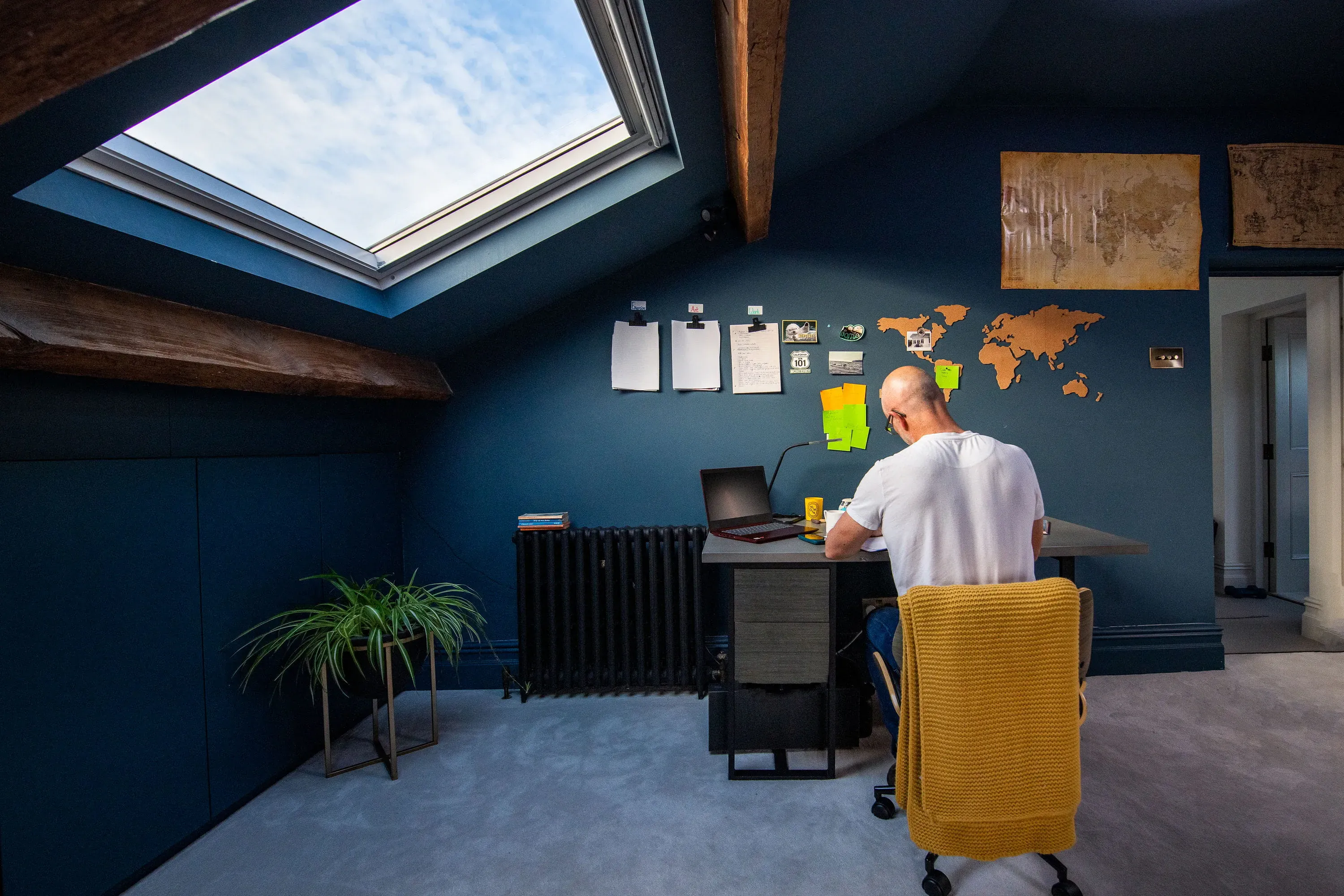
- Create more living space: turn an unused loft into a bedroom, office or playroom without increasing the footprint of your home.
- Improve energy efficiency: upgrading insulation, heating and ventilation can help reduce heat loss and create a more comfortable space to live in.
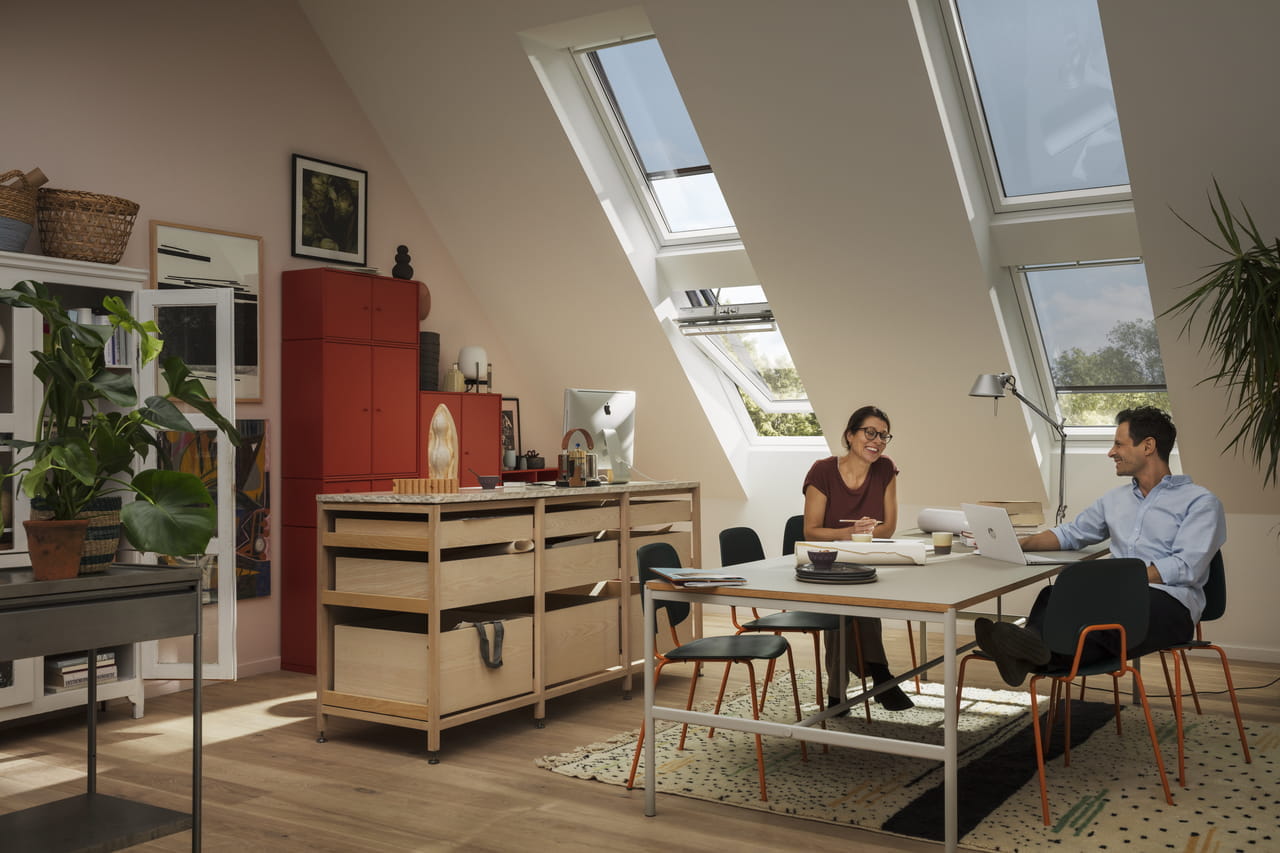
- Bring in more natural light: roof windows can transform a dark loft into a bright, welcoming room that feels like a natural part of your home.
- Make the space work harder: clever storage and a thoughtful layout can help you get more from every inch.
All of this can make your home more attractive to future buyers. Not planning to move? You get to enjoy the extra space and comfort in the meantime.
Roof windows help transform a loft into a bright and welcoming living space.
Which home improvements pay off?
Wondering how much your house is worth and which renovations will increase its value? The answer depends on an expert valuation and your local property market.
Energy efficiency is a really important factor. If you want to sell your home in Ireland, you’ll need a Building Energy Rating (BER) certificate, which rates its energy performance from A to G. Improving your BER can make your home more energy efficient and appealing to buyers, and upgrading attic insulation – both internally and externally – can really make a difference.
Adding new living space is another smart investment. Converting a loft usually increases usable square footage which can positively impact property value. Unlike basements and cellars, attics offer better access to natural light, especially those with roof windows.
For a bright loft, consider solutions like VELUX combination roof windows, which bring in more daylight compared to a single roof window. You could also install modern heating, ventilation and electrics which are more efficient and will impact the overall running costs of your home.
The main takeaway: energy efficiency, functional space and natural light are consistently high on buyers’ wish lists, so making these improvements should help you see a great return on investment.
While different renovations add varying levels of value in different markets, here’s a guide to which ones might boost your property value the most:
How can you maximise energy savings with attic insulation?
Good attic insulation can help keep heat where you want it: outside during hot weather and inside when it’s cold. If you’re converting your loft, it’s a good opportunity to check your existing insulation and upgrade it if needed.
A well-insulated attic can help you:
- Reduce less heat in winter: good insulation helps stop warmth escaping through the roof, so your heating doesn’t have to work as hard.
- Keep your loft cooler in summer: insulation can also help slow down the heat entering through the roof on warmer days.
- Improve your home’s energy efficiency: using less energy to heat and cool your home can help lower running costs and improve your property’s energy rating.
- Your roof windows have a role to play, too: energy-efficient roof windows can help minimise heat loss while bringing in plenty of natural light which means you might not need to reach for the light switch as often. On sunny winter days, that sunlight can also provide some natural warmth when coming through a window.
Together, good insulation and energy-efficient windows can make your new loft more comfortable throughout the year – while helping you use less energy in the process.
Insulated roofs and VELUX roof windows harness sunlight to keep your loft comfortable and energy-efficient all year.
What are the right windows for my attic?
Choosing the right windows is a key step in any attic renovation. VELUX roof windows offer lots of advantages over traditional dormers. With a sleeker design, they are faster to install and can bring in up to three times more natural light. And we all know that daylight makes living spaces feel bigger, brighter and healthier whilst reducing the need for artificial lighting.
When planning your attic renovation with a professional, think about multiple roof windows in different positions, side by side or stacked vertically, to maximise daylight and improve ventilation. Strategically placed windows allow stale air to escape and bring fresh air in, creating a more comfortable indoor climate in both summer and winter months.
You could also look at electric or solar-powered roof windows which can be operated remotely. Or smart solutions like VELUX ACTIVE with NETATMO, which has in-built sensors monitoring temperature, humidity and CO2 levels, and opens windows as needed for the best indoor conditions.
To protect against summer heat and improve energy efficiency, you could also pair your roof windows with external blinds and shutters. These can be electric or solar-powered, and integrated with remote or automatic control systems.
Even if your attic has already been renovated, replacing or adding roof windows can make a huge difference. Additionally, some regions offer grants for energy-efficient improvements, which can help offset installation costs and make the upgrade even more worthwhile. Check what’s available in your area.
Attic conversions transform unused space into new living areas. In urban areas, it’s a smart way to increase living space without building on new land.
Large VELUX roof windows fill the attic with natural light, making the space bright, airy and perfect for living or working.
What legal considerations apply to your loft conversion?
Before converting your loft, check that the space is suitable and find out which local rules apply. An architect, engineer or surveyor can help you understand what’s possible and which approvals you might need.
Things to check include:
- Is your loft suitable? Ceiling height, usable floor space, daylight and ventilation can all affect whether it can become a comfortable living area.
- Do you need planning permission? This will depend on the changes you’re making and where you live.
- What building regulations apply? These can cover everything from structural safety and insulation to electrics, fire safety and escape routes.
- Are there any local restrictions? Rules around roof height, window positions and the outside appearance of your home can be different from area to area.
It’s always worth checking the rules before work begins. A local professional, or even your local planning authority, can help you understand exactly what applies to your home.
Weighing up DIY vs professional loft conversions
Doing some of the simpler jobs yourself can help keep the cost of a loft conversion down. You might be able to clear the space, remove old flooring or take care of decorating once the main work is complete.
For bigger jobs, you might want to bring in the experts. Structural changes, roof window installation, insulation, heating and electrical work may need qualified professionals, depending on the work involved and the regulations where you live. They can also help make sure your conversion is safe, energy efficient and meets local requirements.
That’s not to say you can't combine DIY efforts with expert guidance. Having a mix of both could still allow you to create a converted loft that is stylish, comfortable, legally compliant and within budget, whilst ultimately boosting your property value and long-term enjoyment.
Not sure where to start? Explore our practical tips and guides to help you convert your loft and create a beautiful, comfortable attic space.
Quick questions and answers
How much value will a loft conversion add to my property?
According to BuildMe, a well-designed attic conversion could increase a property’s value by around 12–15%. The exact amount depends on where you live, your property type, the space you create and the quality of the conversion. A local estate agent or property expert can give you a more accurate estimate.
What adds more value, an extension or a loft conversion?
Both can add value, so the better choice depends on your home and the space you need. An extension gives you more room downstairs but takes up outdoor space, whilst a loft conversion makes use of space you already have. Before deciding, you might want to compare the cost with how much value each option could add to your property.
What is the average cost of a loft conversion in the UK?
As a rough guide, an attic conversion in Ireland can cost anywhere between €30,000 and €60,000 – or more depending on your plans and what’s involved. The final cost really depends on the size and style of your conversion, where you live and how much structural work is needed.
What are the disadvantages of a loft conversion?
A loft conversion can be a big project, and not every attic will be suitable. You might lose some space downstairs to a new staircase, while structural work, insulation and other requirements can add to the cost. There will also be some disruption while work is underway, so it’s worth weighing these factors against the extra space and potential value.
How do I calculate the value of my loft?
The simplest way to understand what your loft could add to your home is to ask a local estate agent or property expert for a valuation. They can look at the usable space, your plans for the conversion and similar homes nearby to give you a realistic idea of its potential value.